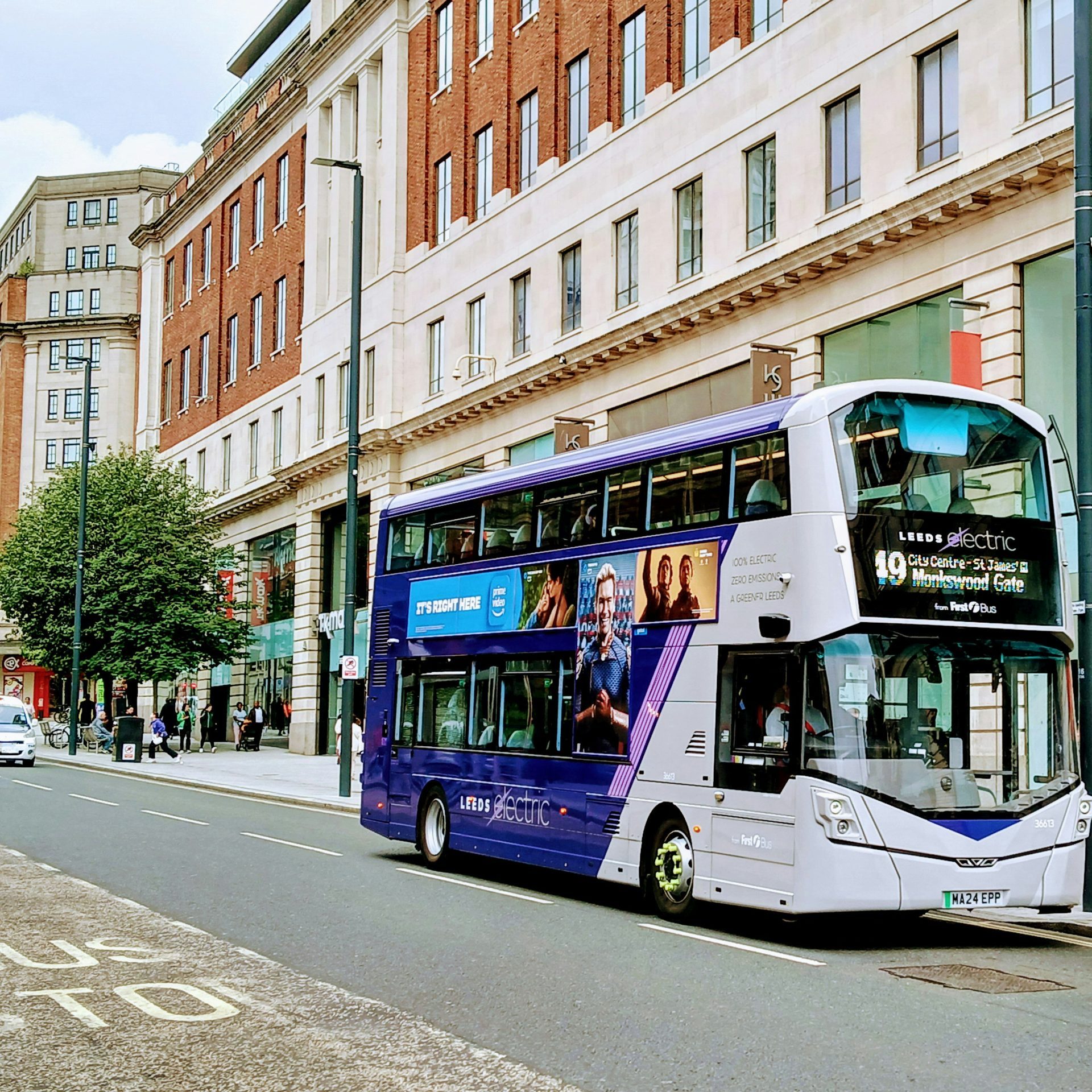
Challenge
WYCA is preparing for a new round of bus franchise negotiations. This is a high-stakes, multi-million-pound process that shapes how public transport is delivered across the region. To make better decisions, they needed to understand which routes and operators were delivering value, and which weren’t.
WYCA held over four years of Automatic Vehicle Location (AVL) data but manually extracting meaningful insights from millions of GPS records wasn’t realistic.
Solution
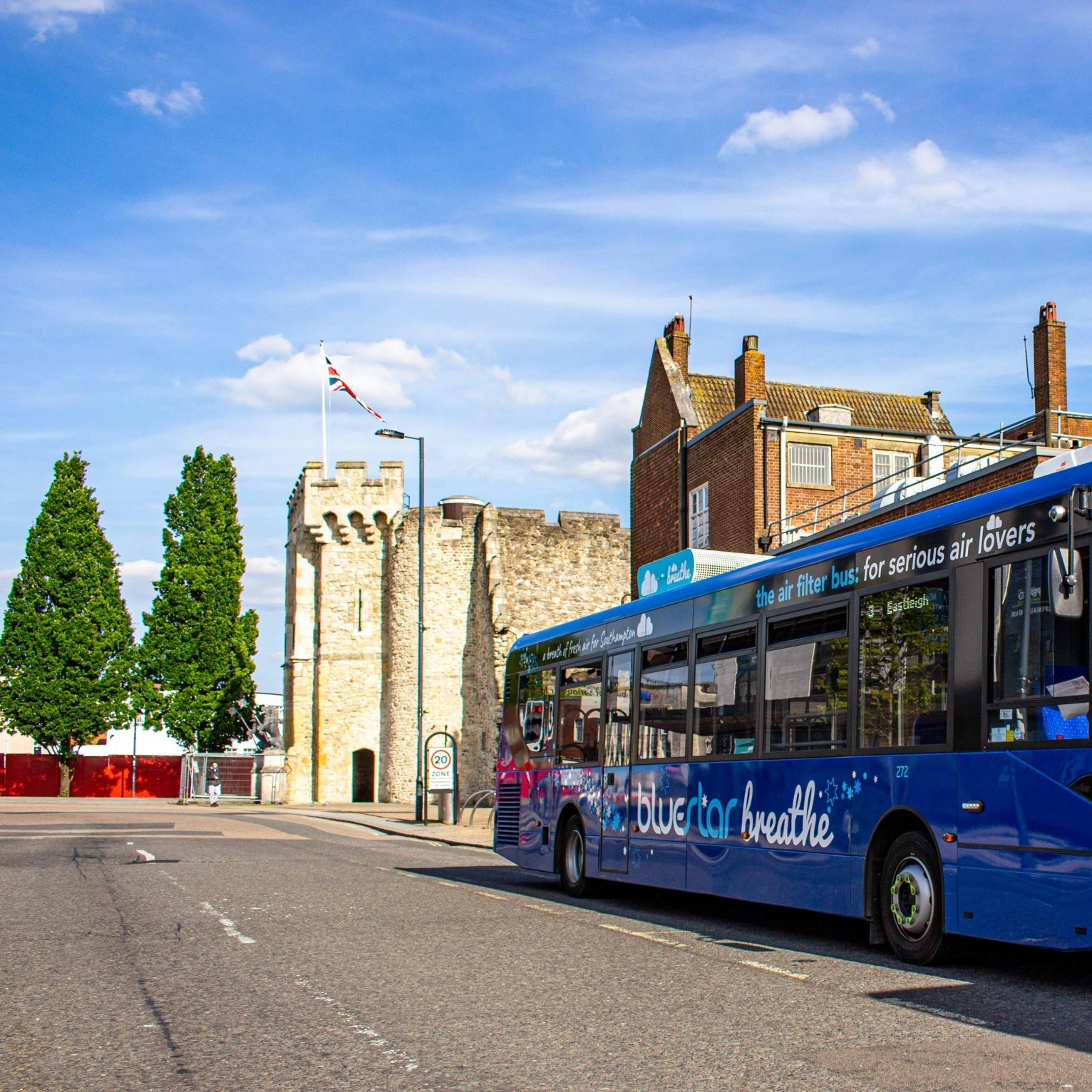
WYCA turned their data into leverage with a scalable, defensible value-scoring model built using FME.
Rather than rely on assumptions or fragmented reporting, they created a single, region-wide view of network performance using live bus GPS data to measure how well different areas were actually served, and by which operators.
The model analysed over 2.5 million data points across West Yorkshire. Individual bus routes and their scheduled timings were evaluated against real-world service frequency and network coverage, giving WYCA a detailed, objective view of performance at route level.
Benefits
Cost and Time savings: By building the model in-house using FME, WYCA avoided the need for external consultancy or bespoke analysis. What would typically have required months of commissioned work was delivered faster, cheaper, and with full control saving thousands in external spend.
Negotiating power, backed by evidence: Armed with objective performance data, WYCA shifted from reactive contract management to proactive commercial negotiation.