
OS NGD is transforming how you work with geospatial data.
| AI Summary: Listen to this article in a 5 minute AI podcast, powered by Google Notebook LM. |
Ordnance Survey (OS) is undergoing its most significant transformation in over a decade – and if you use OS data, these changes will affect you.
While the National Geographic Database (NGD) presents a wealth of opportunity, it also brings an array of operational challenges. Especially as key OS data products such as OS MasterMap Topography, VectorMap Local, and AddressBase will be phased out.

Opportunities and Challenges
Originally launched in 2022, the NGD represents a shift to a single, integrated source of geospatial data. Its simplified structure gives users more flexible access and the ability to extract exactly what they need, rather than purchasing additional products. Opportunities include:
- Greater data agility: The NGD allows users to access just the data they need, when they need it, rather than relying on large, static datasets.
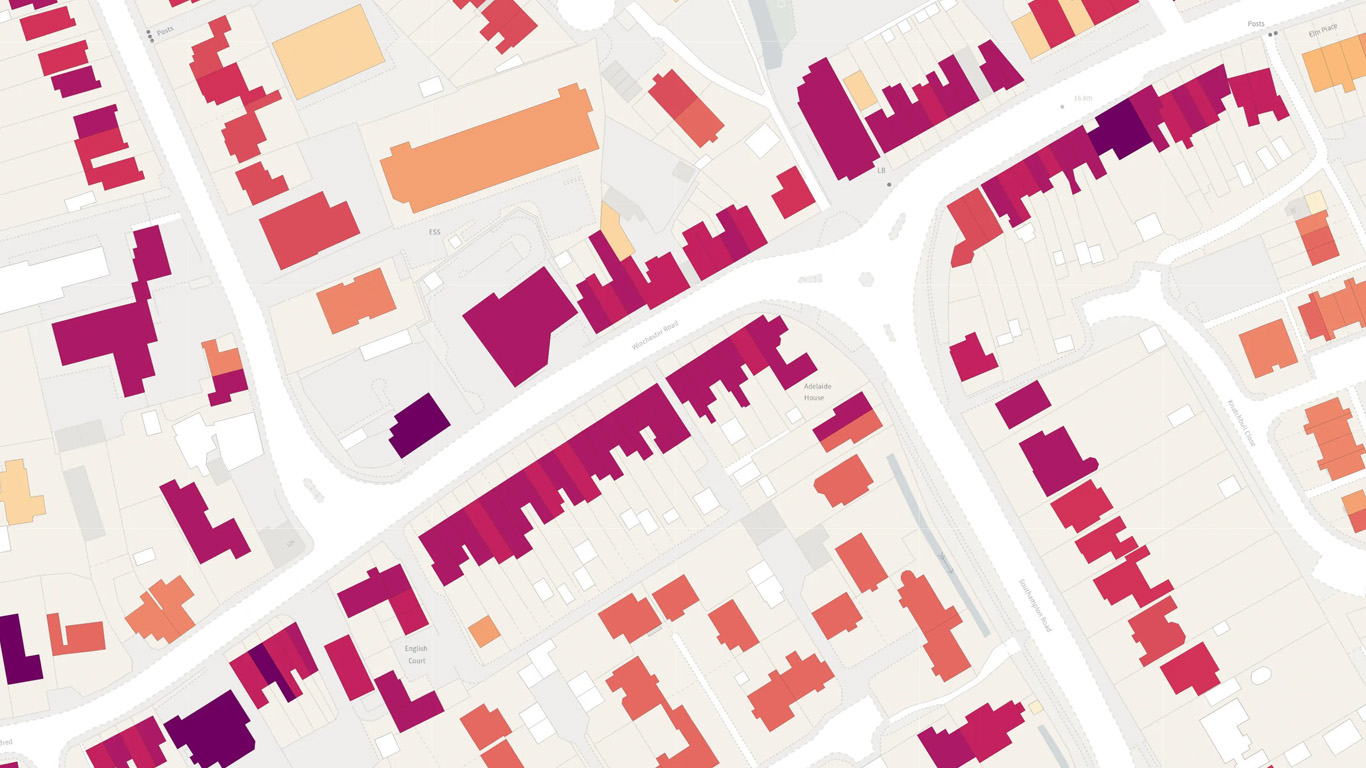
- Richer datasets not available in legacy products: The NGD introduces brand new data like roof attribution, transport infrastructure, and land use.
- Enhanced analytical capabilities: With more structured, current, and context-rich data, organisations can perform deeper analysis and model scenarios more accurately.
However, with this fundamental shift it does create a number of business challenges such as:
- Major changes to existing workflows: Processes built around legacy data products will likely need to be reworked. This could involve retraining staff, updating documentation, and adjusting project timelines to align with new data flows.
- Structural and schema differences: Systems that rely on specific formats or field structures will need to be reconfigured to handle a new schema.
If not planned for properly, the switch to NGD could result in delays, mismatches or corruptions in how data is used or delivered.

What Should You Do Next?
If your organisation uses OS data, now is the time to assess the impact NGD could have on your operations. You can start by reviewing your current workflows and systems internally or speak to an OS partner like miso.
As one of the longest standing and most experienced OS partners, miso is uniquely positioned to help you understand what the NGD means for your organisation and guide you through a successful transition. Talk to us now about the potential impact.